 Logo
Logo
Don’t Forget About Livestock When Planning for Emergencies
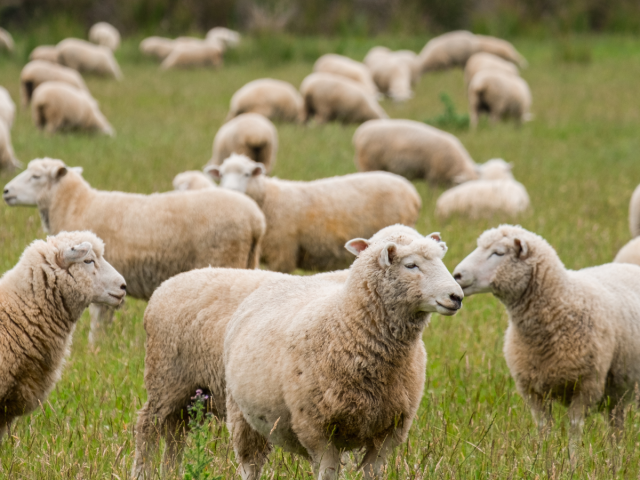
Emergencies like tornadoes, floods, wildfires or extended power outages can have serious impacts. Not only on people, but on livestock too. That’s why having a clear emergency plan for farms is essential.
When building your plan, think through three key scenarios: sheltering in place, evacuating with animals and evacuating without animals. Each situation comes with its own considerations, and planning ahead can make all the difference when time is tight and stress is high.
Sheltering in Place
If you’re staying on your property during an emergency, decide in advance whether it’s safer to confine your animals in a shelter or leave them outdoors.
Animals will need access to plenty of food and water wherever they are located. Water access should not rely on electricity, as power outages are common during emergencies. Installing a hand pump can help ensure water remains available.
Take time to look around your property and identify potential hazards. Be mindful of nearby hydro poles, loose debris that could become dangerous in high winds and whether animals have enough space to move away from flying debris.
Evacuation With Animals
In some situations, evacuating animals may be the safest option. If this is part of your plan, it’s best to have arrangements in place before an emergency occurs.
Identify a place for relocation of animals and ensure you have enough food, water and medical supplies to last several days. Suitable and safe transportation is essential. Some situations may also require additional equipment, such as corrals or generators.
Animals should have proper identification ahead of time, and make sure your records are up to date. Before leaving the property, remember to turn off electricity and water to outbuildings.
Evacuation Without Animals
There may be circumstances where your family needs to evacuate, but animals must remain on your farm. If this happens, animals should have a minimum of three days’ worth of food and water that does not rely on power. Consider opening gates, removing barriers or rerouting fencing so animals can move freely and unrestricted.
“Farmers take pride in caring for their animals every day, underscoring the importance of extending that same commitment into thoughtful emergency planning. Having a well-thought-out plan in place helps you make clear decisions under pressure and protects both your animals and your livelihood,” says Ray Lux, Bruce County’s emergency management coordinator.
More Information, Tools and Resources
Government of Canada Emergency Management: www.getprepared.gc.ca
Ontario Emergency Management: www.ontario.ca/page/be-prepared-emergency
Bruce County Emergency Management: www.brucecounty.on.ca/getprepared
Ontario Federation of Agriculture: https://ofa.on.ca/resources/emergency-preparedness-for-farm-animals
Ontario Sheep Farmers: https://www.ontariosheep.org/farmer-resources/farm-resources/emergency-preparadness
Poultry Industry Council: https://emergency.poultryindustrycouncil.ca/emergency-planning
Canadian Agricultural Safety Association: https://casa-acsa.ca/en/emergency-preparedness-hub