 Logo
Logo
Spring is Time to Replenish Your Home’s Emergency Kit
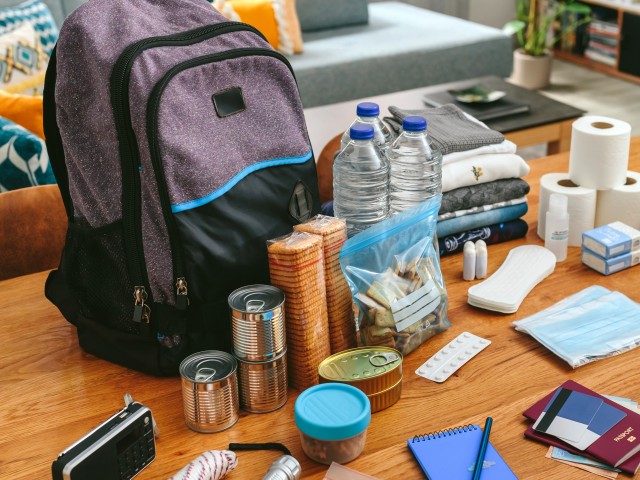
Imagine facing an emergency and realizing you don’t have the supplies you rely on every day — your diabetes medication, your inhaler, or even baby formula when your infant needs it most. A situation like this can become stressful very quickly, especially when weather, power outages or road closures make it difficult to get help or reach a store.
These moments are a powerful reminder of why being prepared matters. Spring is a great time to take a small, manageable step toward peace of mind by reviewing — or starting — your home’s Emergency Preparedness Kit.
“We encourage residents to make sure they are prepared for emergencies. Creating and maintaining an Emergency Preparedness Kit is a simple but effective way to gain peace of mind, knowing you can remain self-sufficient for a few days if needed,” says Ray Lux, Bruce County’s emergency management coordinator. “Being prepared allows emergency services to focus on the areas and individuals who need them most.”
Every household should have an easily accessible Emergency Preparedness Kit in case there is a need to shelter in place. While building a kit does require time and resources, you can take small steps to help spread out costs and make preparedness more manageable for your family.
Here are a few practical tips to help ensure your kit is ready when you need it most:
- Replenish your water supply so your family has enough drinking water for at least three days or more.
- Check expiry dates on non-perishable food items and replace anything past its best before date.
- Inspect battery-powered items, such as radios and flashlights, and stock up on fresh batteries.
- Review your Family Emergency Preparedness Plan and make updates to emergency contact information if anything has changed.
- Print or make copies of important documents, such as insurance policies, wills, identification and medication prescriptions.
If you don’t yet have an Emergency Kit or a Family Emergency Plan in place, now is a great time to start. You don’t need to buy everything at once, adding a few items at a time can make the process easier and more affordable.
More information, tools and resources:
- Government of Canada Emergency Management: www.getprepared.gc.ca
- Ontario Emergency Management: www.ontario.ca/page/be-prepared-emergency
- Bruce County Emergency Management: www.brucecounty.on.ca/getprepared